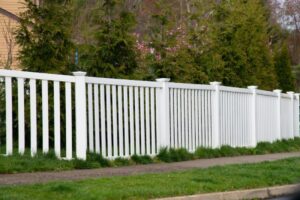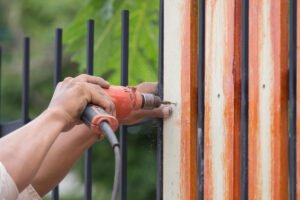

A fence installer vs. handyman comparison comes down to specialization, process, and accountability. A fence specialist works with post layout, footing conditions, gates, materials, local rules, and warranty expectations every day, while a handyman may only install fences occasionally. For a full fence project, that difference can affect how straight, stable, and trouble-free the finished fence remains.
Key Takeaways
- Fence installation is a system, not just a row of panels: layout, post setting, gates, drainage, frost movement, and cleanup all affect long-term performance.
- In Eastern Ontario, post and footing decisions matter because freeze-thaw cycles can expose weak installation work quickly.
- Warranty terms are only useful when they are written, specific, and backed by a contractor who will still answer the phone after the project is complete.
- A handyman can be a sensible choice for small, non-structural repairs, but full fence lines, gates, pool enclosures, and structural post work benefit from fence-specific expertise.
What A Licensed Fence Installer Actually Does Differently
A fence specialist manages the entire installation as a single integrated system. Work begins before the first hole is dug, with measuring, layout, grade changes, property constraints, gate locations, material choices, access, and local requirements all considered together.
For homeowners comparing options, that broader scope is what separates occasional fence work from a dedicated professional fence installation service. A specialist should be able to explain why each post, panel, and gate is being installed a certain way, not simply complete the visible parts of the job.
In Ontario, the term “licensed” can be misleading if it is treated as a single provincial fence-trade credential. Fence installation does not appear on Skilled Trades Ontario’s list of compulsory trades, unlike electrical or plumbing work. What matters is whether the contractor is properly qualified for the job, complies with municipal permit and bylaw requirements, handles excavation safely, documents the scope, and stands behind the finished work.
Why Post Depth And Footing Work Are Not A Handyman Skill
Post setting is a major structural factor in whether a fence stays straight through Eastern Ontario winters. Depth, hole diameter, soil conditions, drainage, concrete use, post spacing, and gate loads all affect how the fence behaves, as ground freezing and frost heave can push a shallow post upward over repeated winters.
That does not mean no handyman can set a fence post correctly. It means fence specialists make these decisions repeatedly and can recognize when gates, slopes, soil, or exposure require a different installation plan.
Before any post holes are dug, buried infrastructure must be taken seriously. Ontario One Call states that a locate request is required for digging projects, including fence installations. Homeowners should expect the person doing the work to understand that process and to avoid treating excavation as a casual step. See Ontario One Call homeowner guidance for current locate information.
The practical question to ask is simple: “How are you determining post depth and footing details for my property?” A qualified installer should be able to explain in plain language, including how local soil, frost, grade, and gate loads affect the plan.
How Warranty Coverage Changes Based on Who Does the Work
Warranty coverage depends on the contractor, not the job title alone. Some handymen offer written workmanship coverage, while others do not. The key is whether the warranty is specific, documented, and backed by a business with a clear process for correcting covered installation problems.
Guardian Fencing backs every professional installation with a written 5-year labour warranty. That warranty is part of the brand’s accountability promise: the crew is expected to install the fence properly, and the company remains responsible for covered labour issues after the truck leaves.
When comparing quotes, ask who is responsible if a post shifts, a gate drags, or a section moves due to installation. Then confirm the duration of labour coverage, what is excluded, and how warranty requests are handled.
Signs a Job Was Done by an Unqualified Installer
The clearest warning signs usually appear in alignment, gate operation, post movement, and unfinished details. One small issue does not automatically indicate poor workmanship, but several together can point to a fence that was installed without sufficient planning or fence-specific experience.
- Posts or panels visibly deviate from a consistent line.
- Gates drag, swing open on their own, or require frequent latch adjustments soon after installation.
- Posts loosen, lean, or move noticeably after seasonal ground shifts.
- Fasteners, cuts, post caps, or transitions appear inconsistent from one section to the next.
- The crew leaves concrete, soil, sharp offcuts, old fencing, or other debris behind without an agreed cleanup plan.
A professional result means straight lines, solid posts, gates that work, clean transitions, and a safe, tidy site when the crew leaves. Those details support Guardian Fencing’s “Built to Last” and “Leaves It Clean” touchstones without exaggerated claims.
When A Handyman Is Fine And When It Is Not
A handyman can be a reasonable choice for a small, low-risk task that does not depend on structural fence work. Replacing a loose board, tightening hardware, staining, or making a simple cosmetic repair may not require a full fence crew.
A fence specialist makes more sense for a new fence line, multiple posts, grade changes, heavy gates, privacy panels, structural repairs, pool enclosures, or projects where permits and local rules need to be confirmed. On those jobs, installation decisions compound across the entire fence line.
If you are still deciding on material and layout, or reviewing the types of fencing, Guardian Fencing can help you compare wood, vinyl, aluminum, chain link, and ornamental steel before you request a quote.
Cost should be part of the decision, but not the only factor. Compare the full scope: removal, materials, posts and footings, gates, cleanup, schedule, warranty, and accountability if something needs to be corrected. The right choice is the one that gives you a fence you can stop thinking about once the job is done.
Frequently Asked Questions
Can a handyman legally install a fence in Ontario?
In many situations, yes. Ontario does not designate fence installation as a separate, compulsory skilled trade, so legality usually depends on the work itself and the local rules that apply, not on whether someone calls themselves a handyman or a fence installer. Municipal permits, fence bylaws, pool-enclosure rules, and safe excavation requirements can still apply. In Cornwall, the City lists installing or changing a fence among projects that require a fence permit. Rules like these can change, so confirm current permit and bylaw requirements with your municipality before starting work.
Does hiring a fence specialist cost more than a handyman?
It can, but the quoted price does not reflect the full cost of the project. A fence specialist’s estimate may include fence-specific layout, post and footing work, gates, removal, cleanup, scheduling, and a written labour warranty that a smaller handyman quote may not include. Compare the scope line by line before deciding.
What happens if a handyman-installed fence fails?
Start by documenting the problem and reviewing the written quote, contract, and any warranty terms. If the original installer offers workmanship coverage, give them a reasonable opportunity to assess the issue. If there is no clear warranty or the installer cannot correct it, a fence specialist can inspect the failed area and explain whether repair, post replacement, gate adjustment, or a larger rebuild is the practical solution.
Will Guardian Fencing repair a fence someone else installed?
Guardian Fencing offers fence repair services as part of its range of services, so an existing fence installed by another contractor can be assessed for repair. Whether a specific section can be repaired depends on the condition of the posts, panels, gates, and the surrounding fence line. A free estimate lets the crew inspect the problem and recommend repair or replacement based on what is on site.
Conclusion
Choosing between a fence installer and a handyman is a decision about scope and accountability. Small repairs can be handled by a capable handyman, but a full fence project benefits from someone who works with posts, gates, materials, local requirements, cleanup, and warranty questions every day. Guardian Fencing’s specialist approach combines clear quotes, a crew that shows up, and a 5-year labour warranty on professional installations. Built Right. Built to Last. Built for You.
If you are planning a fence in Cornwall or Eastern Ontario, book your free estimate and get a clear recommendation for your property.